

JOY Earth Project
Jaya Organic Yojana

Challenge
Over the past 30 years, the overuse of chemical fertilizers, monocropping, and synthetic pesticides has reduced soil fertility by up to 50% in Southern India. In Karnataka, where 68% of the population depends on agriculture and most women work in farming, declining soil health has increased costs and reduced productivity for smallholder farmers.
Chemical fertilizers also require fossil fuels to produce and contribute significantly to greenhouse gas emissions. Restoring soil fertility is essential to improving farmer livelihoods and strengthening climate resilience.
Solution
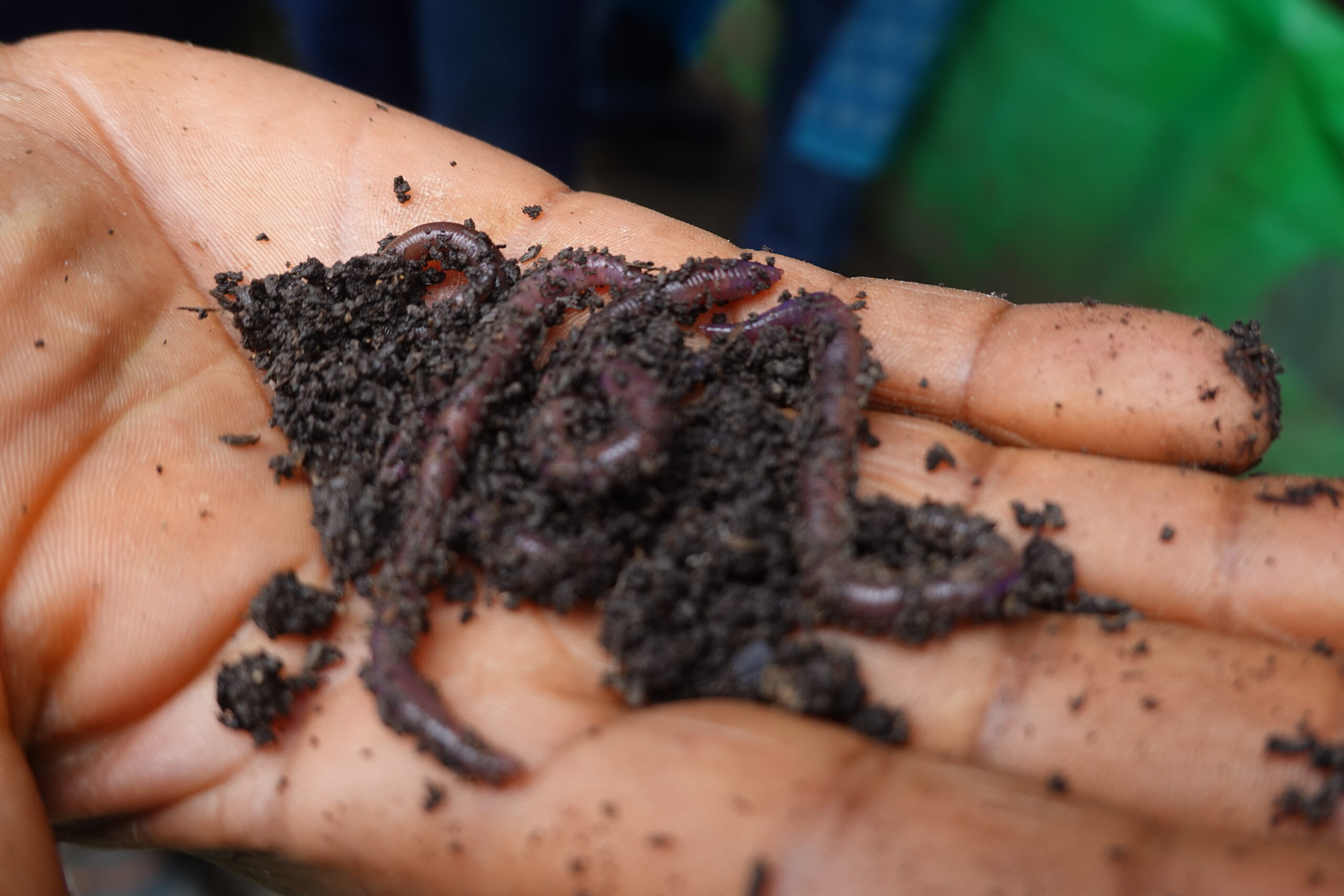
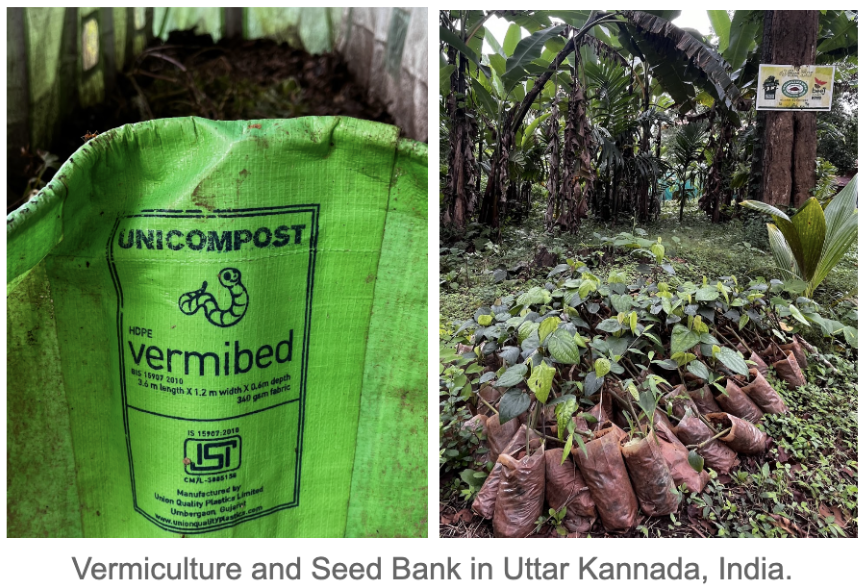
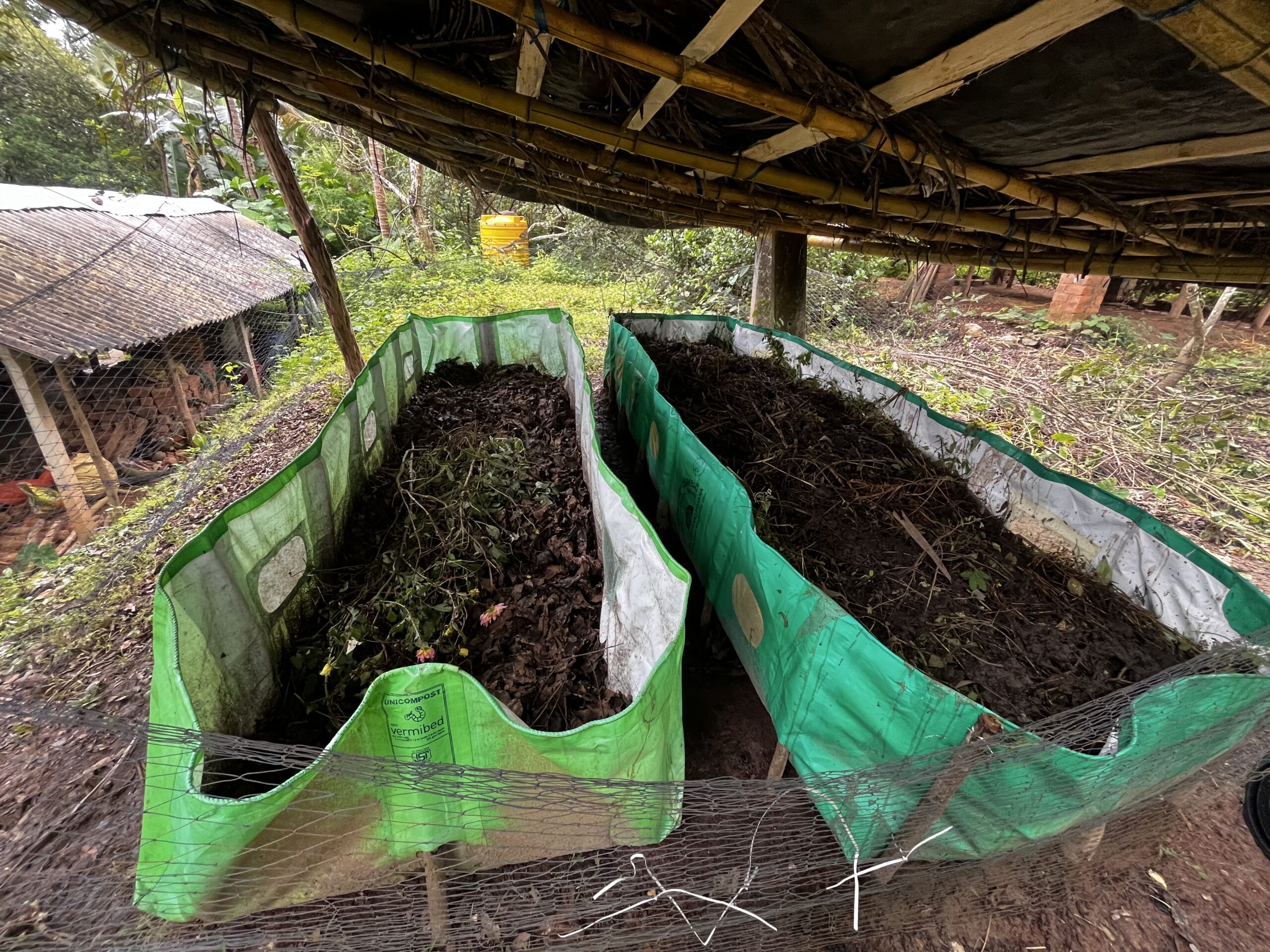
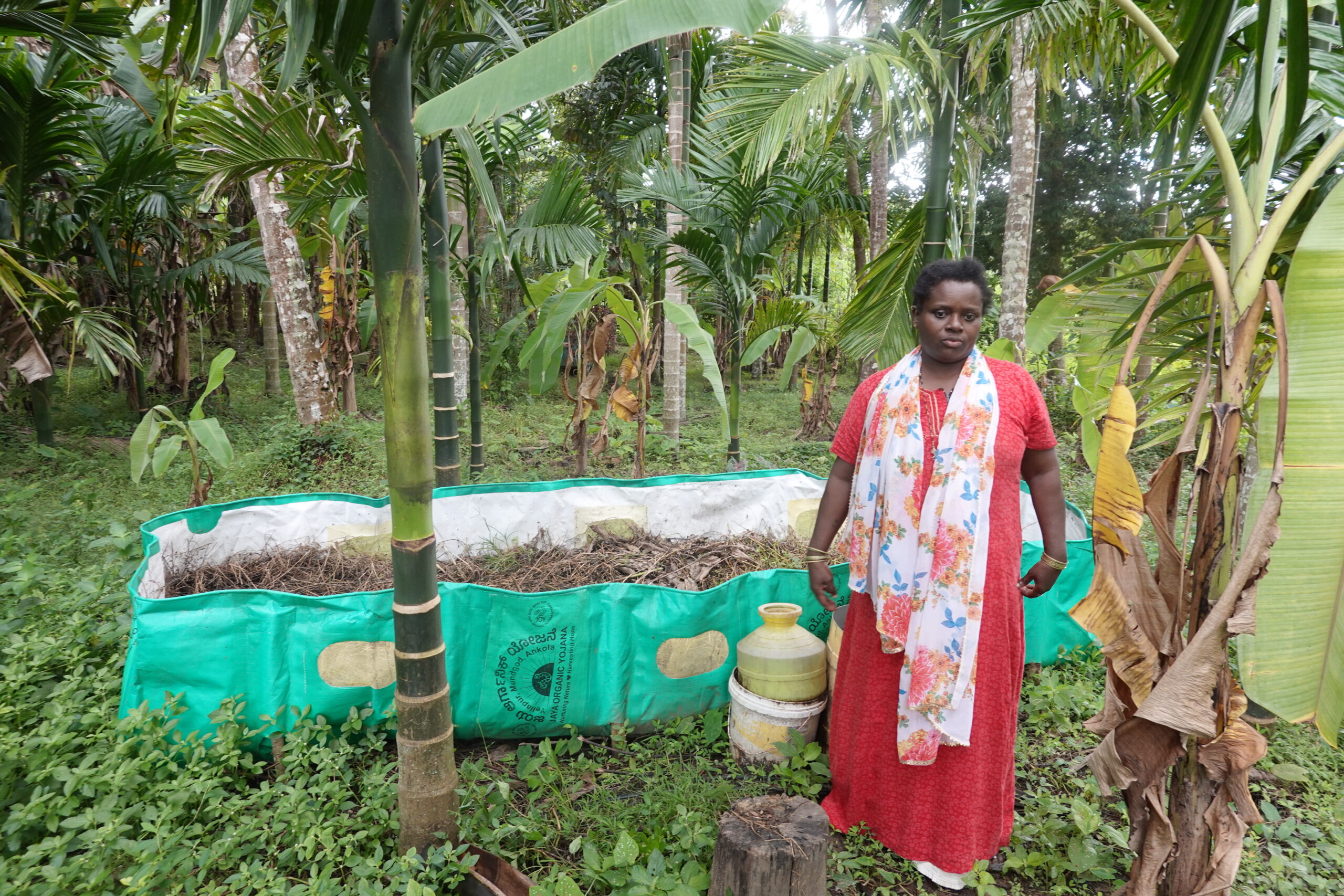
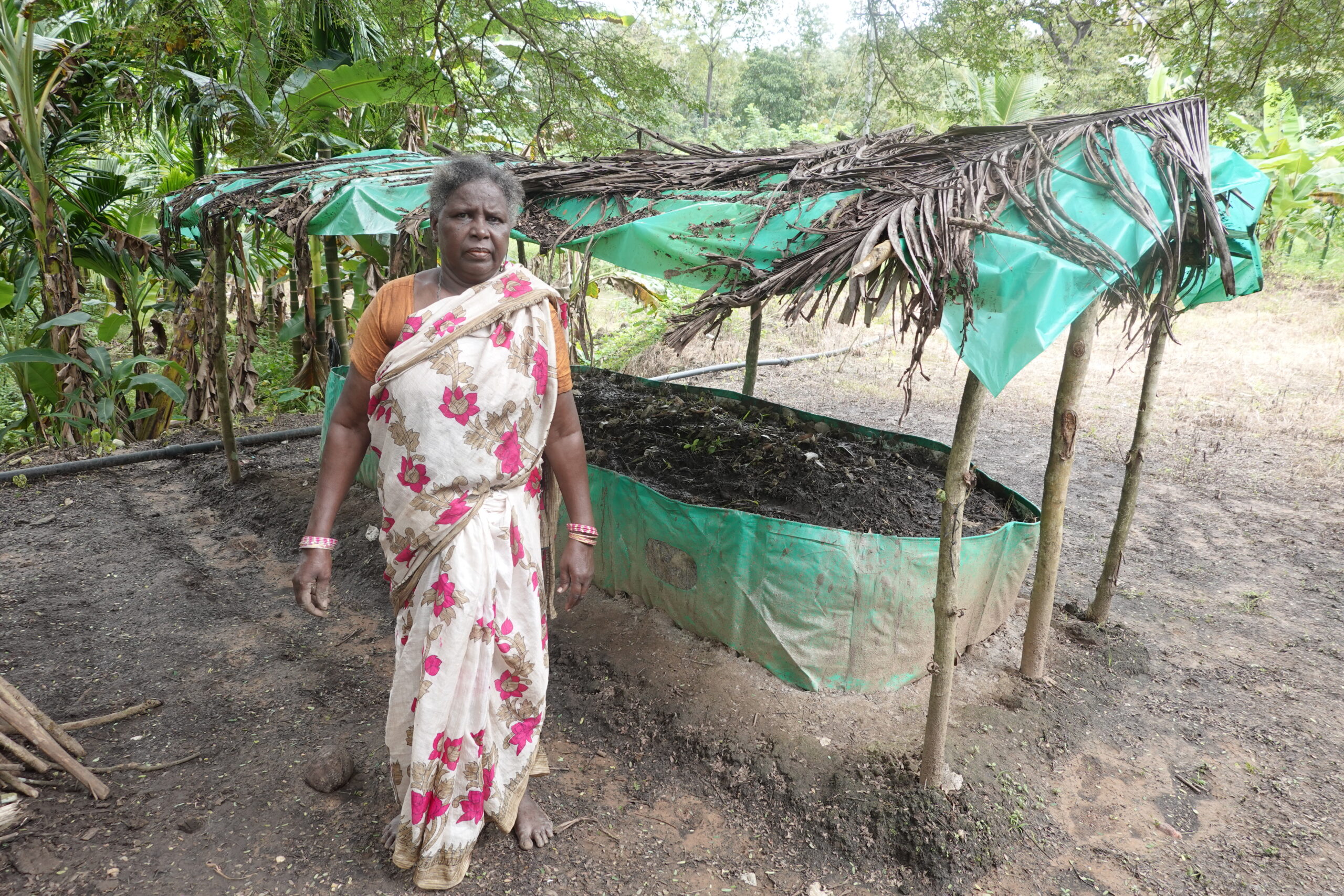
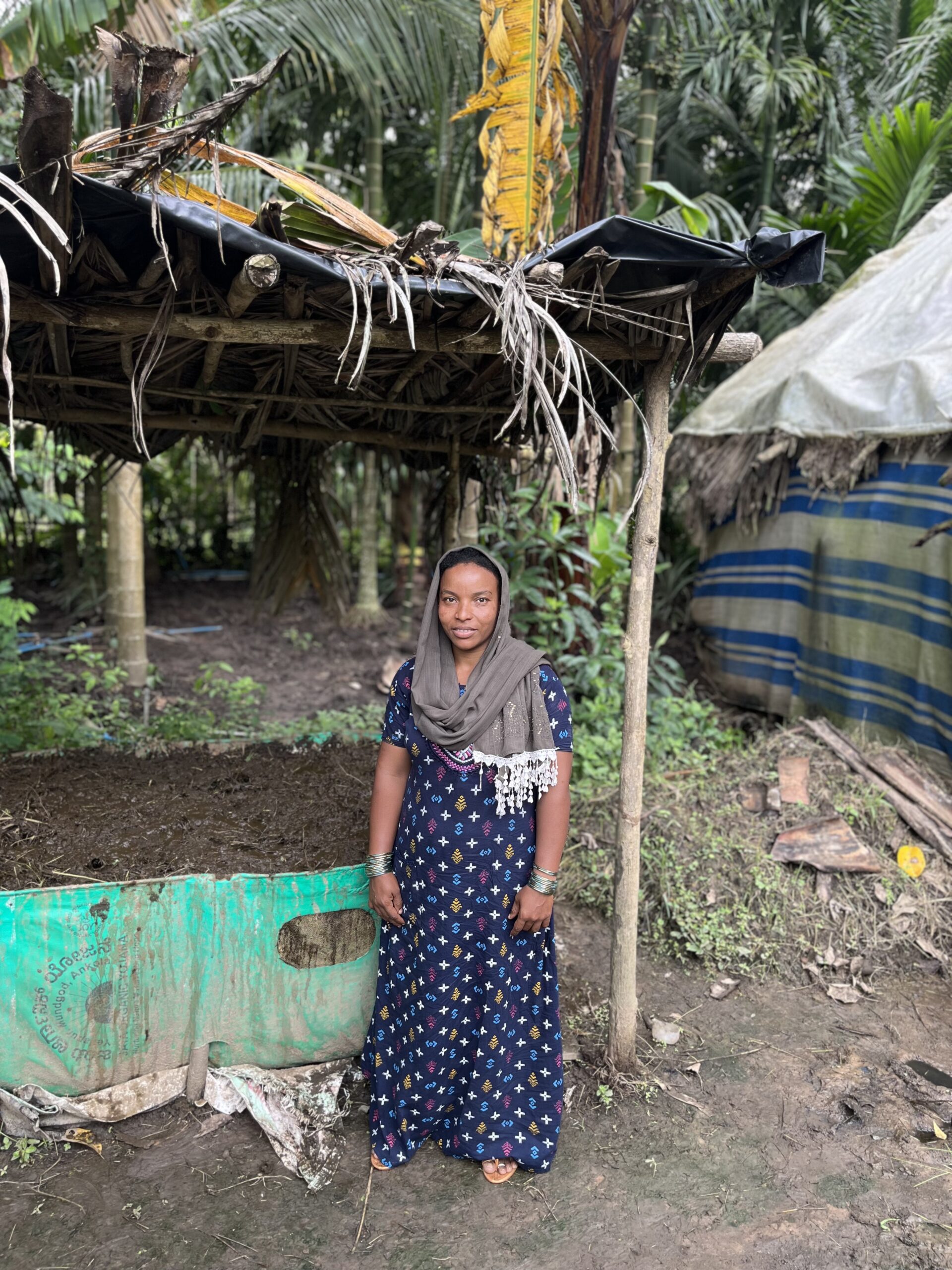
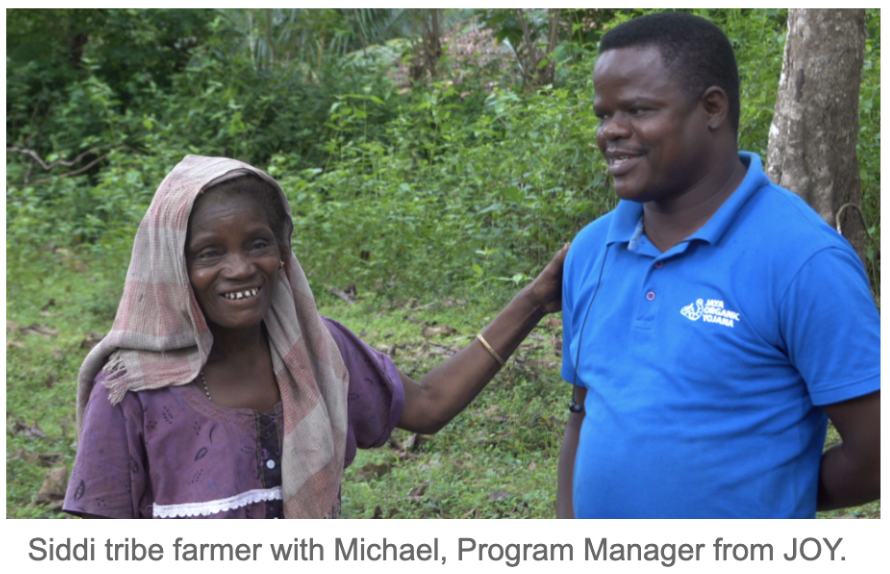
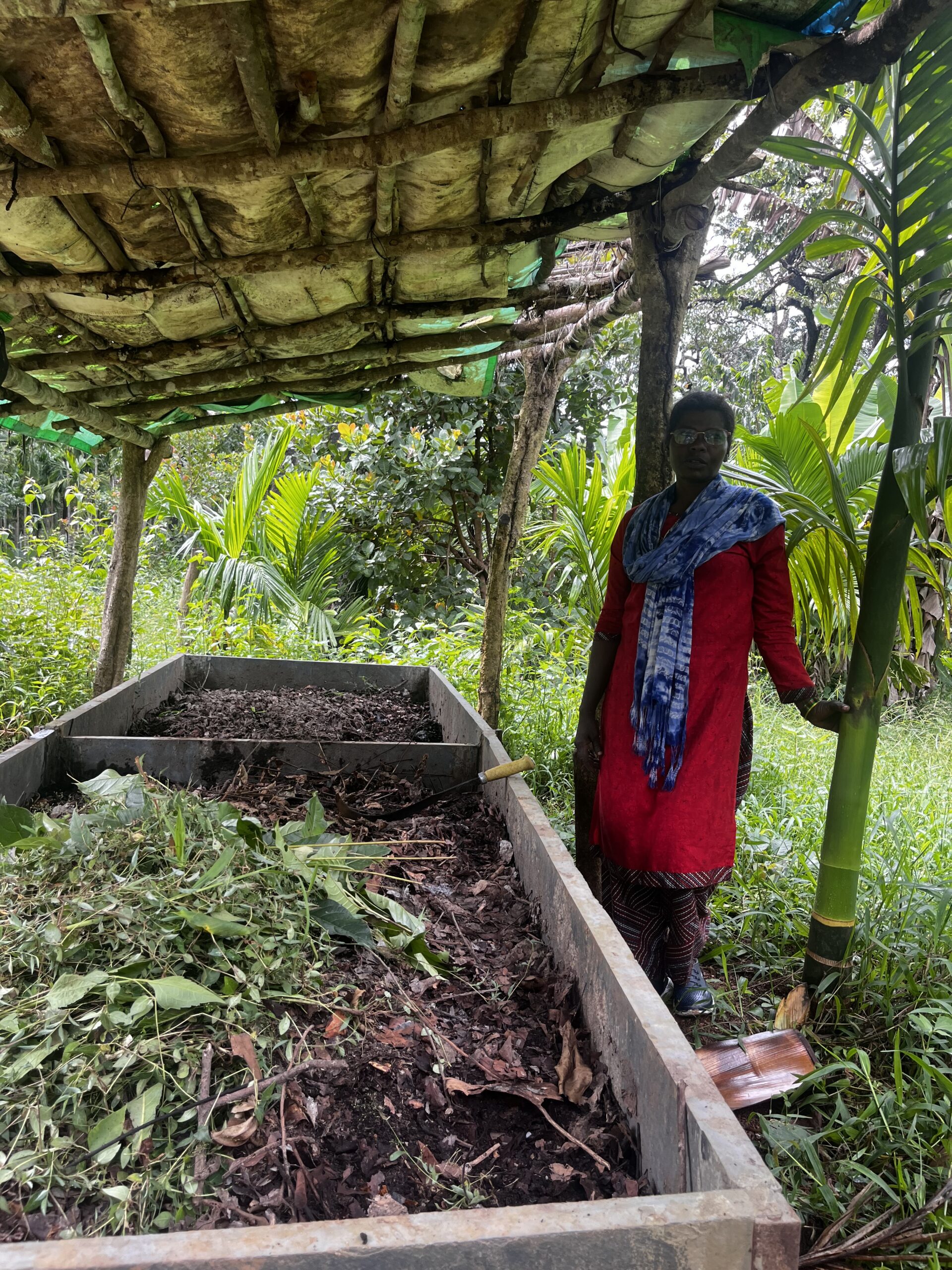
Jaya Organic Yojana (JOY) is a community-based nonprofit in Karnataka that trains smallholder farmers—primarily women—to restore soil fertility through vermiculture, the production of organic fertilizer using agricultural waste and earthworms. This approach improves soil health, reduces reliance on chemical fertilizers, and enables farmers to increase productivity while lowering costs.
The model combines:
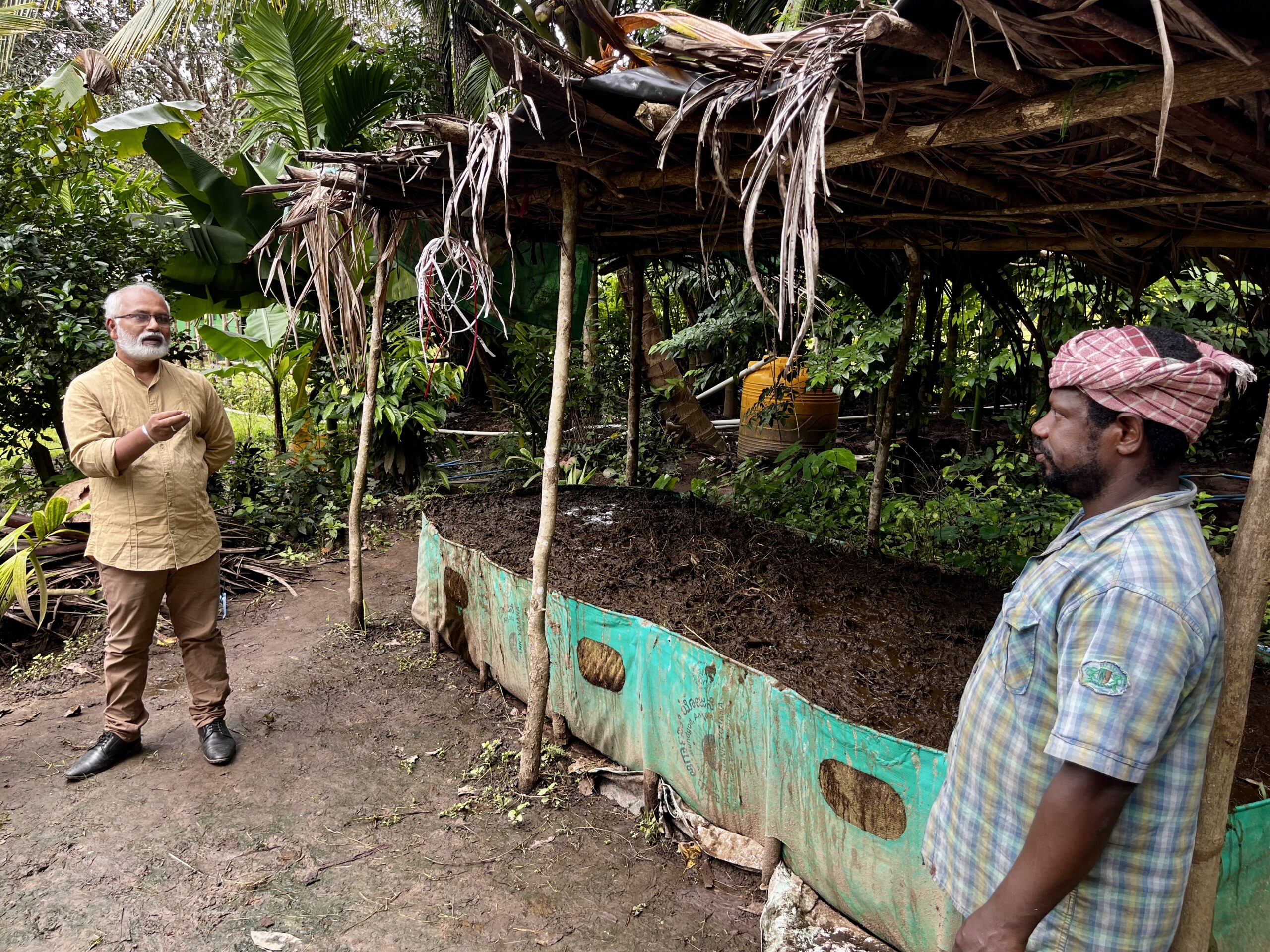
- Practical training in vermicompost production
- Support to establish farmer-led microenterprises
- Entrepreneurship training and access to micro-financing
- Connections to local markets to generate income
JOY currently supports over 3,500 farmers and has helped launch more than 3,350 vermicompost microenterprises, producing over 30,000 tons of organic fertilizer annually.
Our Role
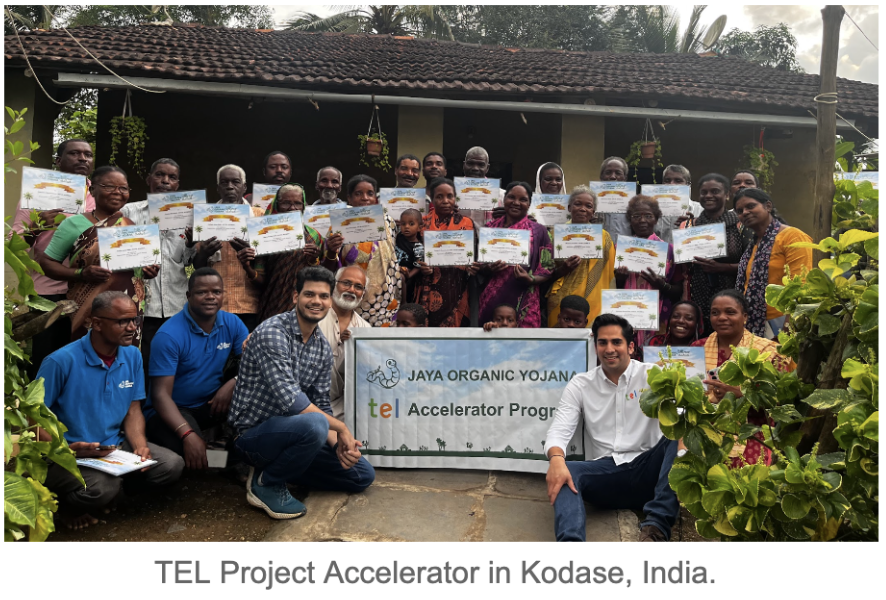
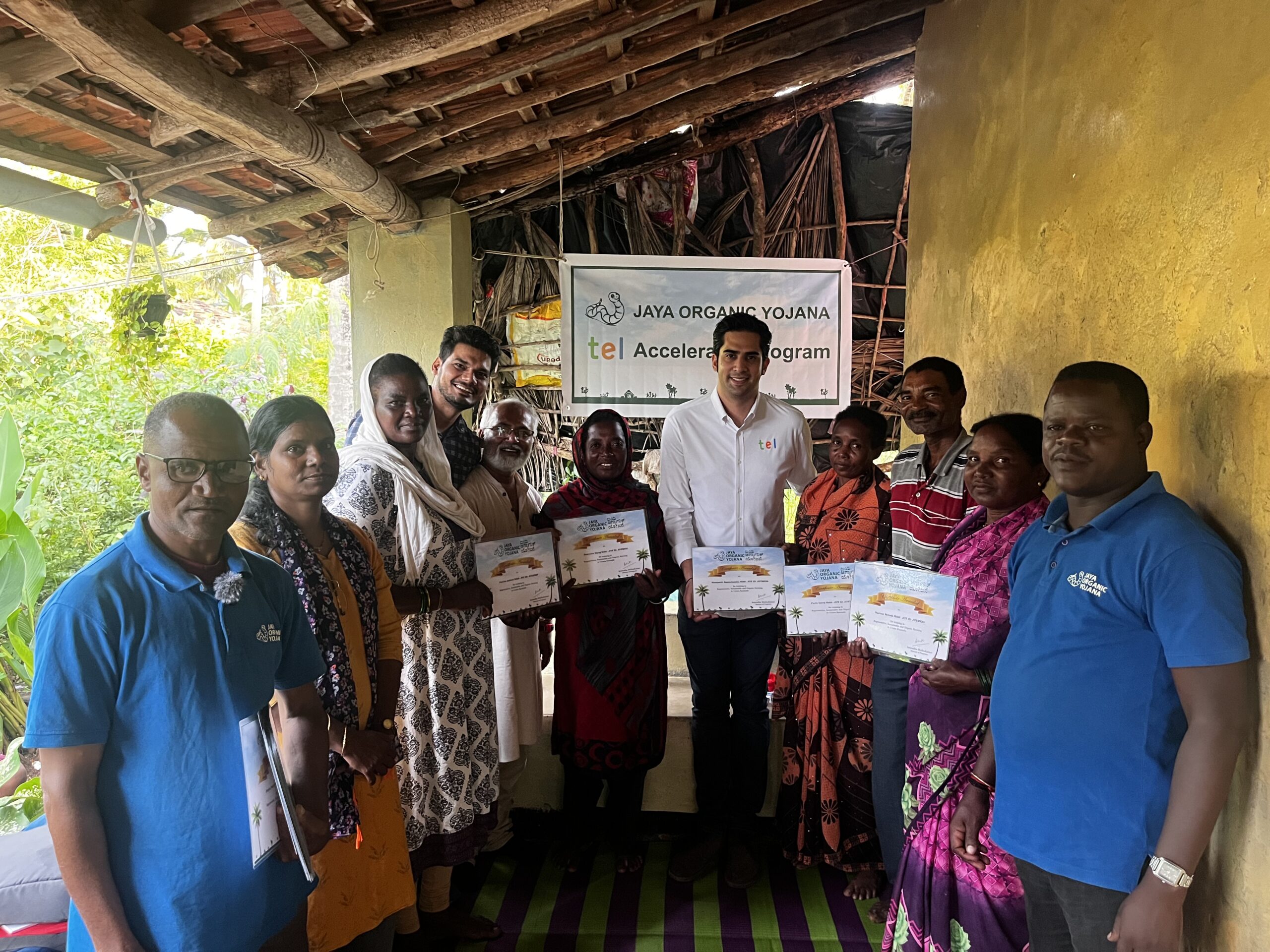
TEL supports the expansion of this proven, community-driven model by working alongside JOY to strengthen program delivery and scale its reach to additional farming communities. This includes supporting farmer training, helping establish new vermicompost microenterprises, documenting impact, and mobilizing partnerships and funding to accelerate adoption. Through its Project Accelerator program, TEL helps connect local initiatives like JOY with global partners to expand access to climate-forward agricultural solutions.
Results
This model has supported over 3,500 farmers across Karnataka, helping them restore soil fertility, reduce reliance on chemical fertilizers, and increase their income. Farmers participating in the program have increased their revenue by more than 200% within the first year, while improving soil fertility by up to 50%.
In addition to strengthening livelihoods, the transition to vermicomposting has reduced greenhouse gas emissions by more than 2,600 tons of CO₂ and lowered dependence on synthetic inputs. By enabling farmers to produce their own organic fertilizer and generate income locally, the program creates a self-sustaining pathway toward climate-resilient agriculture and long-term economic stability.